Tag: first time dog owner

  • Best Dog Breeds for First-Time Owners in the US

    Best Dog Breeds for First-Time Owners in the US

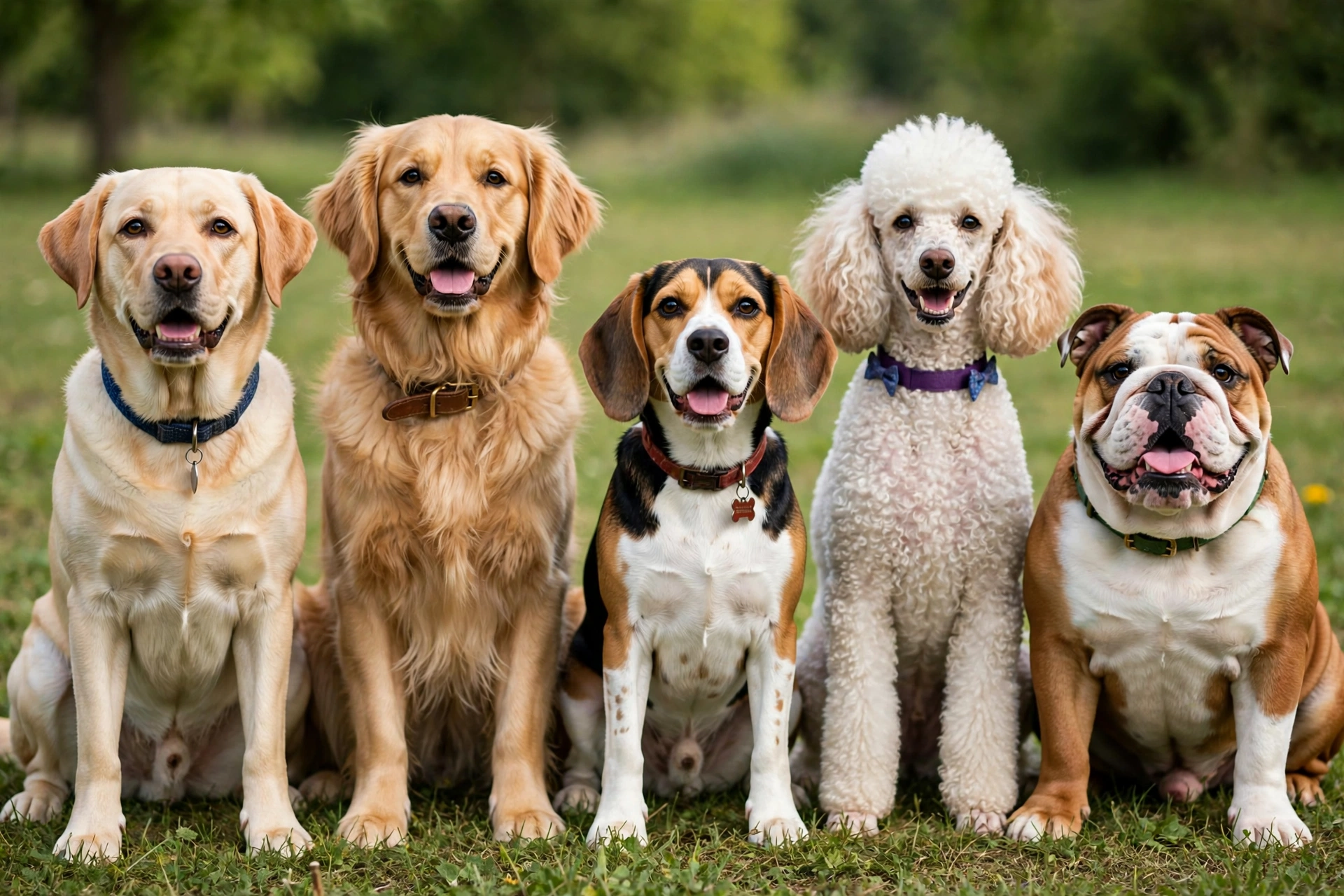
    Choosing your first dog is one of the most exciting — and consequential — decisions you’ll make. The right breed for a first-time owner isn’t the most popular or cutest puppy. It’s the dog whose energy, training needs, and temperament fit your actual life. This guide profiles 12 breeds that do well with beginners, with honest notes on what each needs. Once you’ve picked a breed, our new puppy checklist covers everything to prepare before bringing your puppy home.

    What Makes a Breed Good for Beginners?

    • Trainability: Eager-to-please breeds that respond to positive reinforcement.
    • Forgiving temperament: Tolerates rookie mistakes without behavior problems.
    • Moderate energy: Satisfied with daily walks rather than marathon exercise.
    • Manageable grooming: Low-to-moderate needs while you’re learning.

    The 12 Best Breeds for First-Time Owners

    1. Labrador Retriever

    Temperament: Cheerful, social, great with kids. Exercise: High — 1–2 hours daily. Grooming: Low; heavy seasonal shedding. Watch for: Prone to obesity; hip issues.

    2. Golden Retriever

    Temperament: Gentle, patient, devoted. Exercise: High — 1–2 hours daily. Grooming: Moderate-high; brush 2–3x weekly. Watch for: High cancer rates; skin allergies.

    3. Cavalier King Charles Spaniel

    Temperament: Sweet, gentle, adaptable. Exercise: Moderate — 30–60 min daily. Grooming: Moderate. Best for: Apartments, seniors. Watch for: Heart issues (mitral valve disease).

    4. Poodle (Miniature or Standard)

    Temperament: Among the smartest breeds; learns fast. Exercise: Moderate-high. Grooming: High — professional grooming every 6–8 weeks. Best for: Allergy sufferers; people who enjoy training.

    5. Shih Tzu

    Temperament: Affectionate, charming. Exercise: Low-moderate. Grooming: High in full coat; easier with puppy cut. Best for: Apartments, less active owners.

    6. Beagle

    Temperament: Merry, curious, great with kids. Exercise: Moderate-high — 1+ hours daily. Grooming: Low. Watch for: Vocal (baying); strong prey drive; prone to overeating.

    7. Boxer

    Temperament: Playful, loyal, great with children. Exercise: High — 1.5+ hours vigorous daily. Grooming: Low. Watch for: High cancer risk; jumpy — training essential.

    8. Bichon Frise

    Temperament: Cheerful, gentle, hypoallergenic. Exercise: Moderate — 30–60 min daily. Grooming: High — daily brushing, grooming every 4–6 weeks. Watch for: Separation anxiety.

    9. Cocker Spaniel

    Temperament: Sweet, eager to please. Exercise: Moderate — ~1 hour daily. Grooming: Moderate-high; ears need regular cleaning. Watch for: Ear infections common.

    10. Papillon

    Temperament: Bright, trainable, sturdy for a toy breed. Exercise: Moderate. Grooming: Low-moderate. Best for: Apartments; owners wanting a smart small dog.

    11. Bernese Mountain Dog

    Temperament: Calm, affectionate gentle giant. Exercise: Moderate. Grooming: Moderate-high; heavy shedding. Watch for: Short lifespan (6–8 years); overheats easily.

    12. Mixed Breed / Rescue Dog

    A well-chosen adult rescue can be the perfect first dog — adult size, energy, and temperament are already apparent. Shelter staff can match you to your lifestyle. Many rescues offer trial foster periods.

    Breeds First-Timers Should Think Twice About

    • Border Collie, Australian Shepherd, Belgian Malinois: Need intense daily work; invent destructive “jobs” when bored.
    • Chow Chow, Akita: Strong-willed guardians needing experienced handling.
    • Siberian Husky: Escape artists with marathon energy needs.

    5 Questions Before You Commit

    1. How many hours am I home? Puppies need midday breaks.
    2. What’s my real activity level? Be honest.
    3. Can I afford it? Budget $1,500–$3,000+/year plus emergency savings. Food is a major ongoing cost — learn how to choose the right dog food for complete nutrition.
    4. Does my housing allow dogs? Check restrictions first.
    5. Am I ready for 10–15 years? It’s a decade-plus commitment.

    Conclusion

    The best first dog is the one whose needs match your life. Do your honest self-assessment, meet several dogs, and prioritize temperament and lifestyle fit over looks.

    Disclaimer: This article is for general informational purposes only. Consult your veterinarian about health and consider a certified professional trainer for behavior concerns.
  • New Puppy Checklist: Everything You Need Before Bringing Your Puppy Home

    New Puppy Checklist: Everything You Need Before Bringing Your Puppy Home

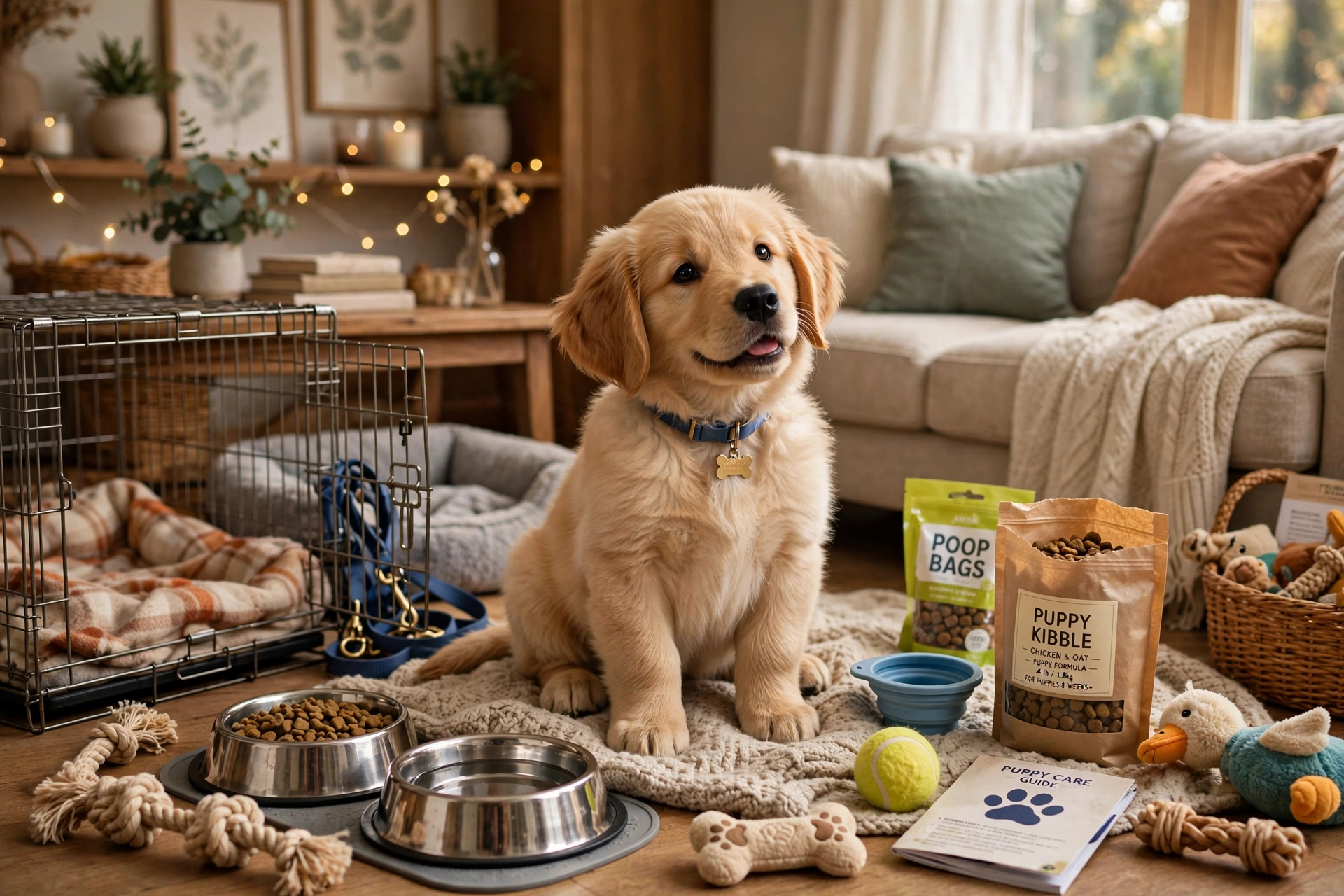
    Bringing a new puppy home is one of life’s happiest moments — and one of its most hectic. This comprehensive checklist covers everything you need: essential supplies, how to puppy-proof your home, what to expect at the first vet visit, training basics, and a feeding schedule that sets your puppy up for healthy growth. Still choosing your breed? See our best dog breeds for first-time owners in the US.

    Essential Puppy Supplies

    Crate and Bedding

    A crate gives your puppy a safe, den-like space and makes house training dramatically easier. Choose a crate large enough to stand up, turn around, and lie down — with a divider panel so it grows with your puppy. Use washable bedding.

    Food and Water Bowls

    Stainless steel bowls are best — durable, dishwasher-safe, and hygienic. Buy the same food your puppy has been eating for the first 1–2 weeks to avoid stomach upset.

    Collar, Leash, and ID Tag

    Attach an ID tag with your phone number before you even leave to pick up your puppy. Microchipping is essential too. Use a standard 4–6 foot leash — avoid retractable leashes for puppies.

    Toys and Chews

    • Rubber toys (like Kongs) — stuff with treats for mental stimulation
    • Rope toys — supervise and discard when threads unravel
    • Puppy teething toys — some can be frozen for sore gums

    Cleaning Supplies

    An enzymatic cleaner is non-negotiable — it breaks down odor proteins that tell your puppy “this is the bathroom spot.”

    Puppy-Proofing Your Home

    • Electrical cords: Secure with covers — chewing cords can be fatal.
    • Houseplants: Move toxic ones (pothos, lilies, sago palm).
    • Kitchen: Childproof latches on cabinets; locking-lid trash can.
    • Garage: Lock up antifreeze, pesticides — antifreeze tastes sweet and is lethal.

    Toxic foods to memorize: chocolate, grapes/raisins, onions/garlic, xylitol (sugar-free gum), macadamia nuts, alcohol, cooked bones.

    The First Vet Visit

    Schedule within 2–3 days of bringing your puppy home. Bring health and vaccination records. Also learn the 10 signs your dog needs a vet visit so you know when to call between checkups.

    Vaccination Schedule

    • 6–8 weeks: First DHPP combo
    • 10–12 weeks: Second DHPP; bordetella if recommended
    • 14–16 weeks: Third DHPP; rabies (required by law in most states)

    Until vaccinations are complete (~16 weeks), avoid dog parks and heavy dog-traffic areas.

    Training Basics

    House Training

    Take your puppy out first thing in the morning, after meals, after naps, and every 1–2 hours. Young puppies can “hold it” about one hour per month of age. Reward immediately with praise and treats. Never punish accidents.

    Crate Training

    Introduce gradually and keep it positive — feed meals inside with the door open first. Never use the crate as punishment.

    Socialization (3–14 weeks)

    Expose your puppy to many positive experiences: different people, gentle children, vaccinated dogs, car rides, various surfaces. Pair new things with treats. Puppy kindergarten classes are excellent.

    Basic Commands

    Start with 5-minute sessions, 2–3 times daily: name recognition, sit, come, down, leave it. Use positive reinforcement only.

    Feeding Schedule

    Three meals a day until ~6 months, then two. Feed at consistent times. Choose food labeled for puppies or “all life stages” with the AAFCO statement. Large-breed puppies need large-breed puppy formula. For detailed nutrition guidance, see how to choose the right dog food.

    First-Year Budget

    • Veterinary care: $200–$500 (vaccines, spay/neuter) + $300–$600/year preventive
    • Food: $300–$700/year
    • Supplies: $200–$400 initial
    • Training classes: $150–$300
    • Pet insurance: $300–$600/year
    • Emergency fund: Keep $1,000–$2,000 accessible

    Conclusion

    Preparing for a puppy takes effort, but every item on this checklist pays dividends in a happier, healthier dog. Remember: perfection isn’t the goal — patience is.

    Disclaimer: This article is for general informational purposes only and is not veterinary advice. Always consult your veterinarian about your puppy’s specific health needs.