Category: Dog Care

Dog health, training, and care guides.

  • Best Dog Breeds for First-Time Owners in the US

    Best Dog Breeds for First-Time Owners in the US

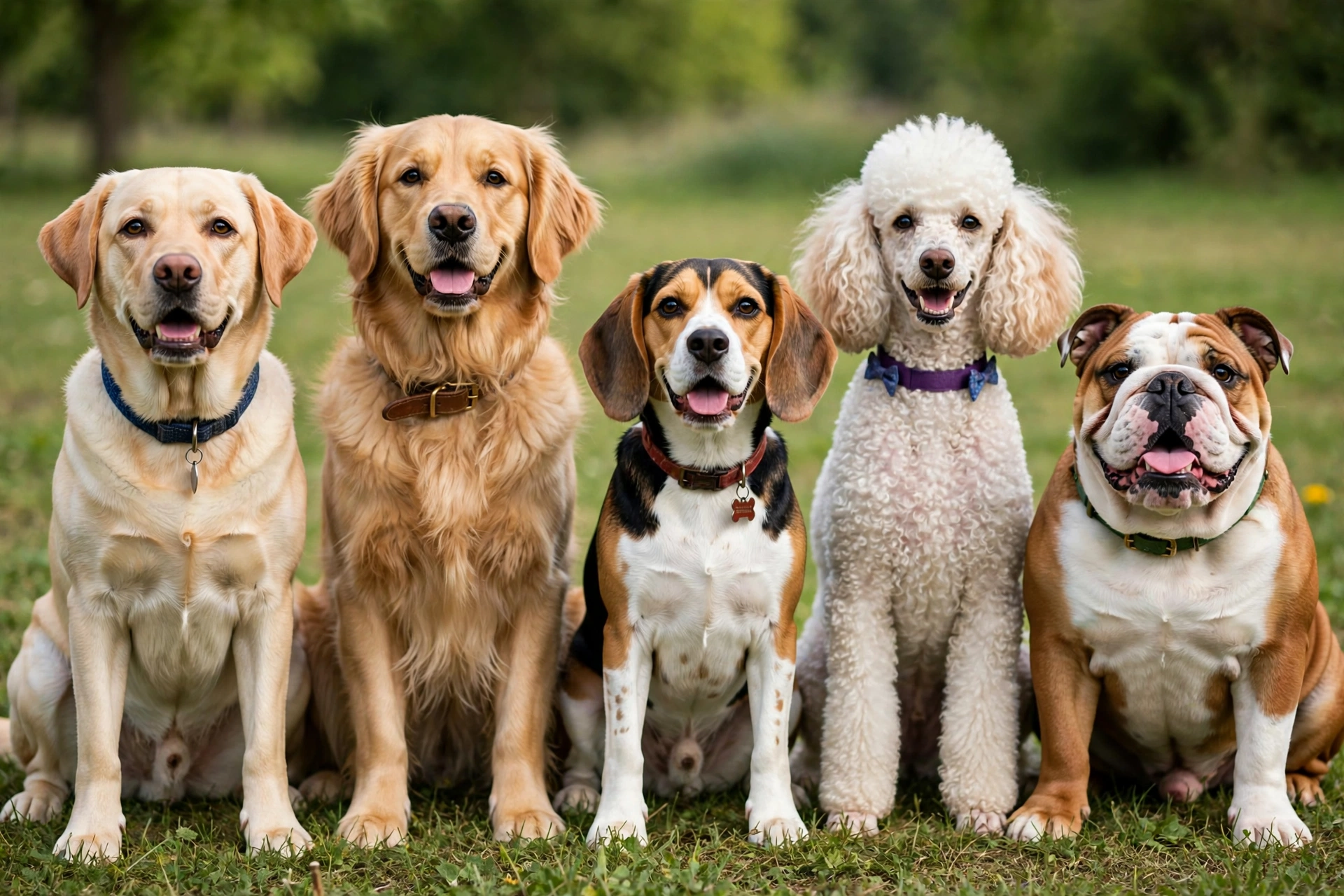
    Choosing your first dog is one of the most exciting — and consequential — decisions you’ll make. The right breed for a first-time owner isn’t the most popular or cutest puppy. It’s the dog whose energy, training needs, and temperament fit your actual life. This guide profiles 12 breeds that do well with beginners, with honest notes on what each needs. Once you’ve picked a breed, our new puppy checklist covers everything to prepare before bringing your puppy home.

    What Makes a Breed Good for Beginners?

    • Trainability: Eager-to-please breeds that respond to positive reinforcement.
    • Forgiving temperament: Tolerates rookie mistakes without behavior problems.
    • Moderate energy: Satisfied with daily walks rather than marathon exercise.
    • Manageable grooming: Low-to-moderate needs while you’re learning.

    The 12 Best Breeds for First-Time Owners

    1. Labrador Retriever

    Temperament: Cheerful, social, great with kids. Exercise: High — 1–2 hours daily. Grooming: Low; heavy seasonal shedding. Watch for: Prone to obesity; hip issues.

    2. Golden Retriever

    Temperament: Gentle, patient, devoted. Exercise: High — 1–2 hours daily. Grooming: Moderate-high; brush 2–3x weekly. Watch for: High cancer rates; skin allergies.

    3. Cavalier King Charles Spaniel

    Temperament: Sweet, gentle, adaptable. Exercise: Moderate — 30–60 min daily. Grooming: Moderate. Best for: Apartments, seniors. Watch for: Heart issues (mitral valve disease).

    4. Poodle (Miniature or Standard)

    Temperament: Among the smartest breeds; learns fast. Exercise: Moderate-high. Grooming: High — professional grooming every 6–8 weeks. Best for: Allergy sufferers; people who enjoy training.

    5. Shih Tzu

    Temperament: Affectionate, charming. Exercise: Low-moderate. Grooming: High in full coat; easier with puppy cut. Best for: Apartments, less active owners.

    6. Beagle

    Temperament: Merry, curious, great with kids. Exercise: Moderate-high — 1+ hours daily. Grooming: Low. Watch for: Vocal (baying); strong prey drive; prone to overeating.

    7. Boxer

    Temperament: Playful, loyal, great with children. Exercise: High — 1.5+ hours vigorous daily. Grooming: Low. Watch for: High cancer risk; jumpy — training essential.

    8. Bichon Frise

    Temperament: Cheerful, gentle, hypoallergenic. Exercise: Moderate — 30–60 min daily. Grooming: High — daily brushing, grooming every 4–6 weeks. Watch for: Separation anxiety.

    9. Cocker Spaniel

    Temperament: Sweet, eager to please. Exercise: Moderate — ~1 hour daily. Grooming: Moderate-high; ears need regular cleaning. Watch for: Ear infections common.

    10. Papillon

    Temperament: Bright, trainable, sturdy for a toy breed. Exercise: Moderate. Grooming: Low-moderate. Best for: Apartments; owners wanting a smart small dog.

    11. Bernese Mountain Dog

    Temperament: Calm, affectionate gentle giant. Exercise: Moderate. Grooming: Moderate-high; heavy shedding. Watch for: Short lifespan (6–8 years); overheats easily.

    12. Mixed Breed / Rescue Dog

    A well-chosen adult rescue can be the perfect first dog — adult size, energy, and temperament are already apparent. Shelter staff can match you to your lifestyle. Many rescues offer trial foster periods.

    Breeds First-Timers Should Think Twice About

    • Border Collie, Australian Shepherd, Belgian Malinois: Need intense daily work; invent destructive “jobs” when bored.
    • Chow Chow, Akita: Strong-willed guardians needing experienced handling.
    • Siberian Husky: Escape artists with marathon energy needs.

    5 Questions Before You Commit

    1. How many hours am I home? Puppies need midday breaks.
    2. What’s my real activity level? Be honest.
    3. Can I afford it? Budget $1,500–$3,000+/year plus emergency savings. Food is a major ongoing cost — learn how to choose the right dog food for complete nutrition.
    4. Does my housing allow dogs? Check restrictions first.
    5. Am I ready for 10–15 years? It’s a decade-plus commitment.

    Conclusion

    The best first dog is the one whose needs match your life. Do your honest self-assessment, meet several dogs, and prioritize temperament and lifestyle fit over looks.

    Disclaimer: This article is for general informational purposes only. Consult your veterinarian about health and consider a certified professional trainer for behavior concerns.
  • 10 Signs Your Dog Needs a Vet Visit

    10 Signs Your Dog Needs a Vet Visit

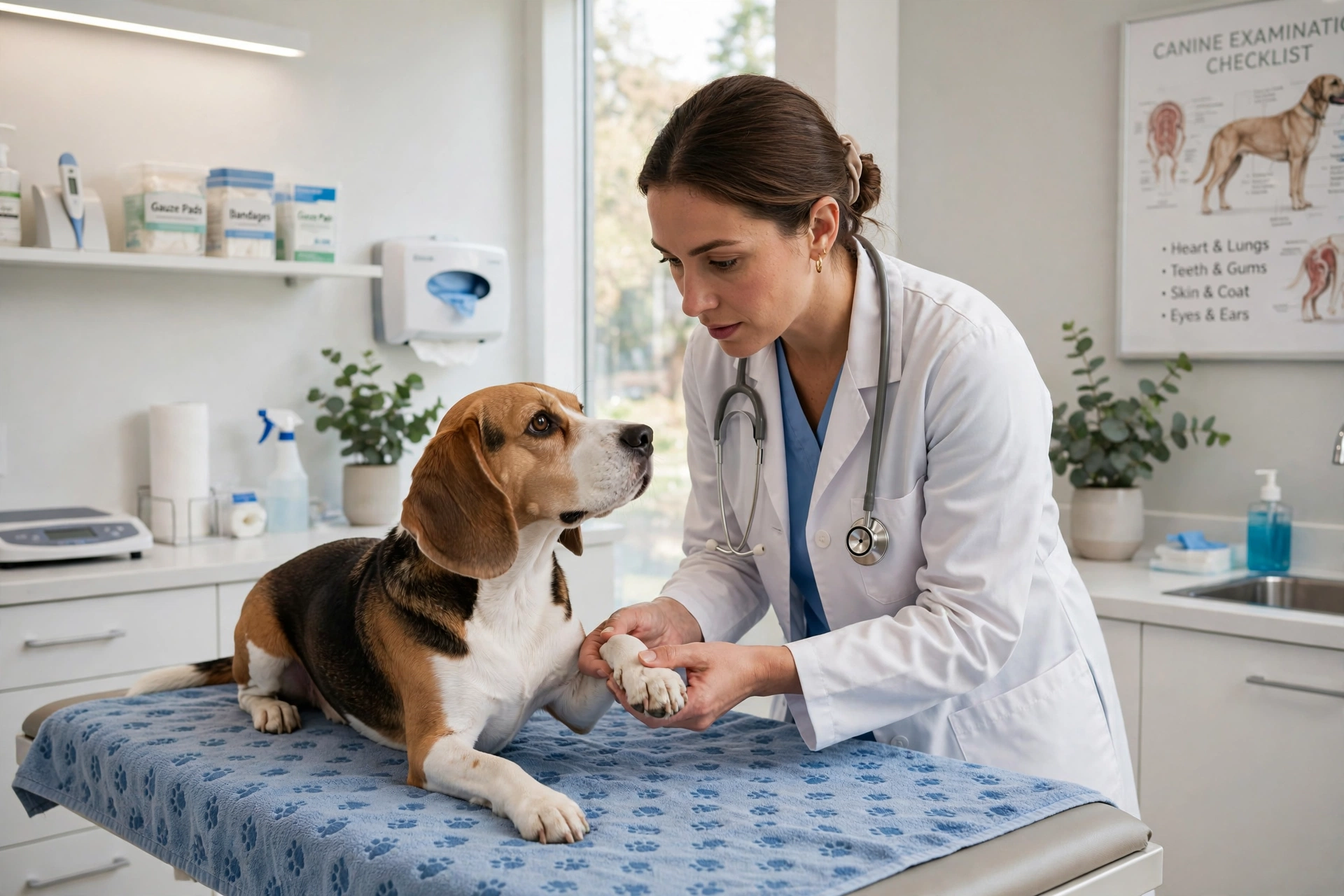
    Dogs can’t tell us when something’s wrong — but they do communicate, constantly. A dog who skips breakfast, drinks water obsessively, or suddenly won’t climb the stairs is telling you something important. This guide covers the ten warning signs every dog owner should know, with clear guidance on what’s an emergency and what can wait.

    1. Sudden Loss of Appetite

    A single skipped meal often means nothing. But appetite loss lasting more than 24 hours (12 hours in a puppy) warrants a vet call. Urgent: refusal to eat with vomiting, lethargy, or a swollen hard abdomen in deep-chested breeds (possible bloat — a surgical emergency). For nutrition fundamentals, see how to choose the right dog food.

    2. Vomiting or Diarrhea That Won’t Stop

    Emergency vet for: blood in vomit/stool; repeated vomiting; lasting over 24 hours (12 in puppies); dehydration signs (dry gums, sunken eyes); after possible toxin ingestion. Can wait: single mild episode in an otherwise bright dog — withhold food 8–12 hours, then offer bland chicken and rice. New puppy owner? Our new puppy checklist covers what to expect in the early weeks.

    3. Unusual Lethargy or Weakness

    Concerning lethargy: a playful dog who won’t get up or seems “flat.” Urgent: collapse, inability to stand, pale/white gums (possible internal bleeding). Check gums — healthy ones are bubblegum pink.

    4. Difficulty Breathing or Persistent Coughing

    Emergency: labored breathing, gasping, blue/gray gums, sudden severe coughing with distress. Schedule a visit: mild occasional cough lasting more than a few days.

    5. Limping or Difficulty Moving

    Check paws first for thorns, cuts, or torn nails. Urgent: non-weight-bearing lameness, obvious deformity, sudden back-leg paralysis in long-backed breeds (possible disc emergency). Never give human painkillers — ibuprofen and acetaminophen are toxic to dogs.

    6. Skin, Coat, or Ear Changes

    Watch for: excessive scratching/licking, hot spots (need vet treatment), hair loss, new lumps (if growing or bigger than a pea, get it checked), ear head-shaking or yeasty smell (ear infections are painful and common).

    7. Excessive Thirst or Urination

    Classic early signs of diabetes, kidney disease, Cushing’s, or UTI. Urgent: straining to urinate with little output in male dogs — possible urinary blockage, life-threatening within 24 hours.

    8. Eye Problems

    Take seriously: squinting, redness/discharge, cloudiness, bulging eye, sudden blindness. Eye issues should be seen the same day — hours matter. Never use old or human eye drops without vet direction.

    9. Behavioral Changes

    Sudden growling when touched (pain), hiding, loss of interest in play, new anxiety. Not usually emergencies, but never “just old age” until medical causes are ruled out — pain is the great imitator.

    10. Unexplained Weight Loss or Gain

    Weigh monthly — gradual changes are invisible day to day. Unexplained loss can signal diabetes, parasites, organ disease, or cancer. Learn body-condition scoring: feel ribs with light pressure, look for a waist from above.

    Emergency vs. Routine: Quick Reference

    Emergency now: difficulty breathing; blue/white gums; collapse; seizures over 2 minutes; bloated hard abdomen; uncontrolled bleeding; suspected poisoning; urinary blockage; heatstroke signs.

    Same day: repeated vomiting/diarrhea; not eating 24+ hours; eye squinting; hot spots; non-weight-bearing limp.

    Within days: mild intermittent limp; increased thirst; new lumps; gradual weight changes; persistent mild cough.

    What to Do in an Emergency

    1. Stay calm. Your dog reads your panic.
    2. Call ahead to your vet or emergency clinic.
    3. Save the ASPCA Poison Control number now: (888) 426-4435.
    4. Don’t improvise medically — no human painkillers.

    Conclusion

    You don’t need to diagnose your dog — you need to notice when something is different and act promptly. Trust your instincts. An unnecessary vet visit is always better than a necessary one that came too late.

    Disclaimer: This article is for general informational purposes only and is not veterinary advice. Contact your veterinarian promptly if your dog shows warning signs. In emergencies, seek immediate care.

  • How to Choose the Right Dog Food: Complete Nutrition Guide

    How to Choose the Right Dog Food: Complete Nutrition Guide

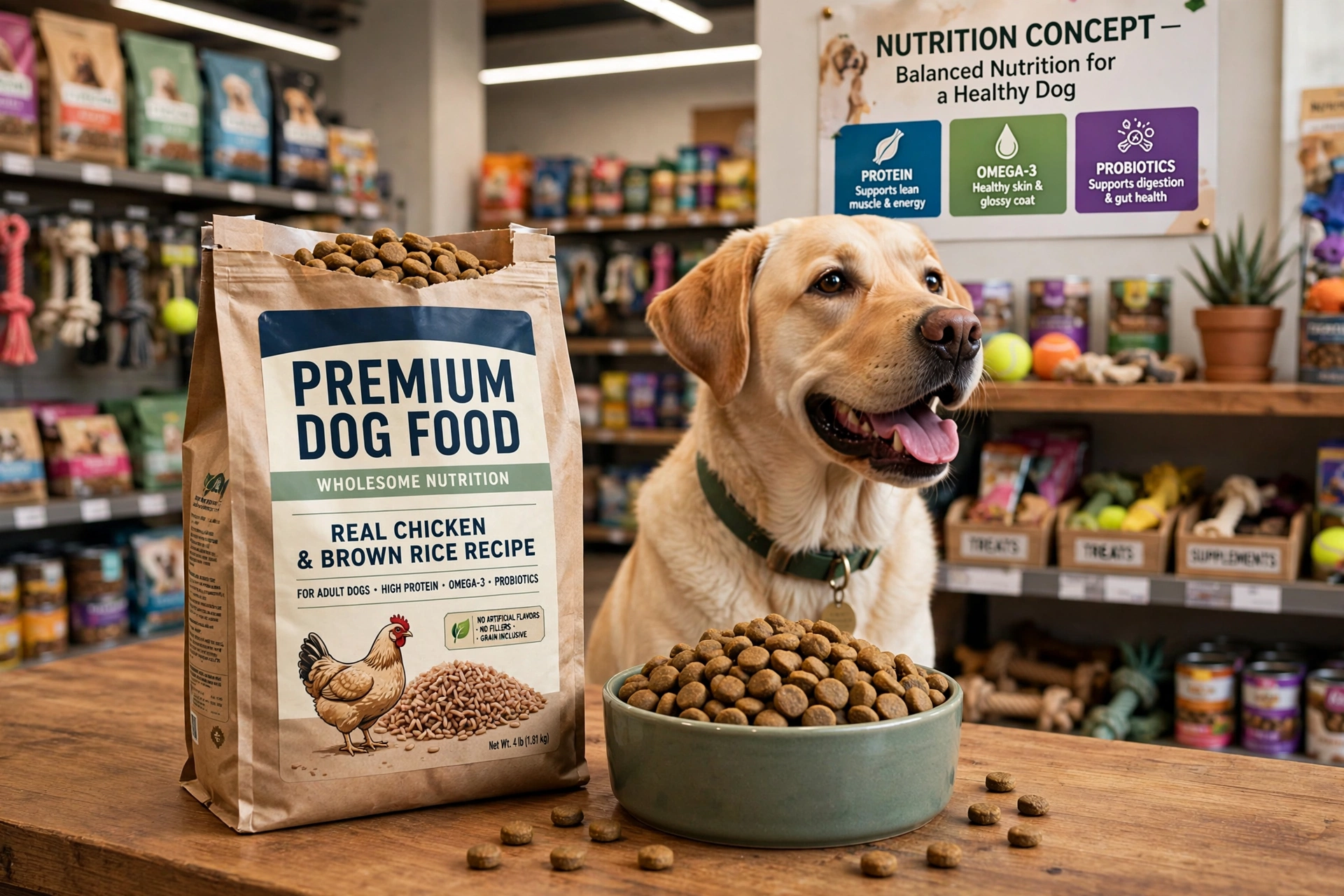
    Walk down any pet store aisle and you’ll face a wall of dog food bags — grain-free, raw-coated, limited-ingredient — each claiming to be the healthiest choice. Here’s the reassuring truth: choosing a good dog food is simpler than the industry wants you to believe. This guide gives you the foundation to shop with confidence.

    Understanding AAFCO: The Nutritional Safety Net

    The Association of American Feed Control Officials (AAFCO) sets nutrient profiles defining “complete and balanced” dog food in the US. Look for the AAFCO statement on the bag. There are two ways food earns it: formulation (recipe calculated to meet profiles) and feeding trials (actually fed to dogs — the stronger standard).

    Life-stage designations: “growth” (puppies), “adult maintenance,” “all life stages.” For most dogs, an AAFCO-compliant food matched to the correct life stage is the single most important thing on the label.

    How to Read a Dog Food Label

    The Ingredient List

    • Look for named animal protein (chicken, beef, salmon) in the first few ingredients.
    • Watch for ingredient splitting: “peas, pea starch, pea protein” disguises that peas dominate the formula.
    • Ignore romance copy: “holistic,” “ancestral,” “human-grade” have no regulated nutritional meaning.

    Calorie Content

    Look for the kcal/cup statement — foods vary enormously (280 to 500+ kcal/cup). Always portion by calories, not volume.

    Matching Food to Life Stage

    Puppies

    Feed “growth” or “all life stages” formula. Large-breed puppies (expected adult weight over 50 lbs) need large-breed puppy formula specifically — it controls calcium to prevent developmental orthopedic disease. Bringing home a new puppy? Our new puppy checklist covers everything else you’ll need beyond food.

    Adult Dogs

    Most healthy adults do well on “adult maintenance.” Adjust portions to maintain ideal body condition rather than chasing a “high-performance” label.

    Senior Dogs

    Around age 7 (large breeds) or 9–10 (small breeds), consider senior formula with joint support and omega-3s.

    Wet vs. Dry Food

    • Dry kibble: Economical, convenient. The “cleans teeth” claim is overstated.
    • Wet food: Higher moisture helps hydration; more palatable for picky eaters.
    • Raw/homemade: Can work but carry risks — bacterial contamination and nutritional incompleteness. Work with a veterinary nutritionist, not a blog recipe.

    Special Dietary Needs

    Food Allergies

    True allergies are less common than marketing suggests. Culprits are usually proteins: beef, dairy, chicken. Diagnosis requires a strict 8–12 week elimination trial supervised by your vet. Note: grain-free diets have been associated with a potential link to dilated cardiomyopathy (DCM).

    Weight Management

    The most common feeding mistake isn’t the wrong brand — it’s feeding too much. Measure with a scale, keep treats under 10% of calories, weigh monthly.

    Common Mistakes to Avoid

    1. Feeding by the bag’s chart alone — adjust to body condition.
    2. Constant food switching — find a good food and stick with it.
    3. Free-feeding — destroys portion control and hides appetite changes.
    4. Over-treating — extras easily add 20–30% more calories.
    5. Ignoring the transition period — switch gradually over 7–10 days.
    6. Poor storage — keep in original bag inside airtight container; don’t buy more than 6 weeks’ supply.

    Conclusion

    Pick an AAFCO-compliant food for the right life stage, from a manufacturer with real nutritional expertise. Feed measured portions, keep treats in check, and let your dog’s body condition — not marketing — be your guide. And if your dog shows worrying symptoms, learn the 10 signs your dog needs a vet visit.

    Disclaimer: This article is for general informational purposes only and is not veterinary advice. Consult your veterinarian before making significant diet changes.

  • New Puppy Checklist: Everything You Need Before Bringing Your Puppy Home

    New Puppy Checklist: Everything You Need Before Bringing Your Puppy Home

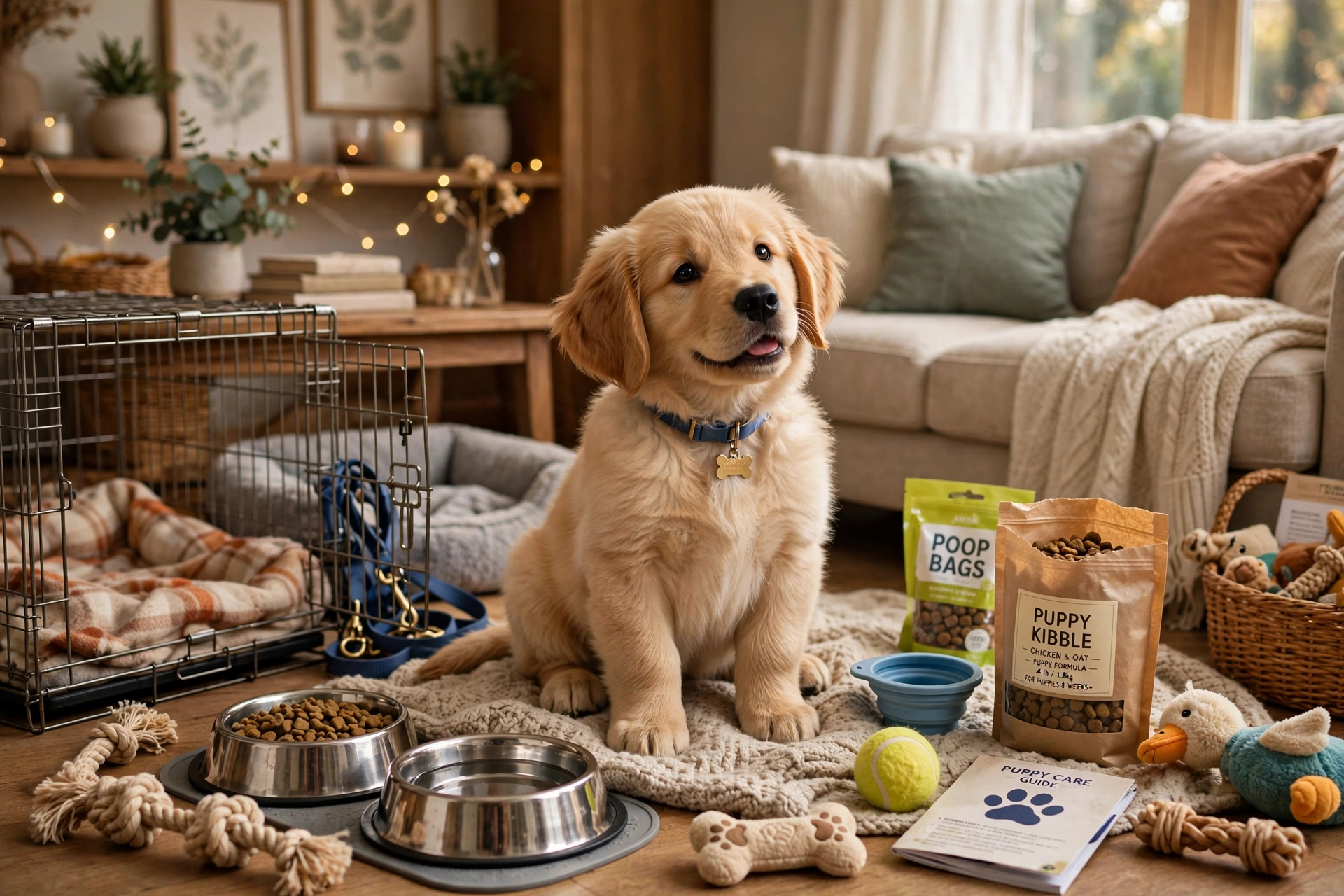
    Bringing a new puppy home is one of life’s happiest moments — and one of its most hectic. This comprehensive checklist covers everything you need: essential supplies, how to puppy-proof your home, what to expect at the first vet visit, training basics, and a feeding schedule that sets your puppy up for healthy growth. Still choosing your breed? See our best dog breeds for first-time owners in the US.

    Essential Puppy Supplies

    Crate and Bedding

    A crate gives your puppy a safe, den-like space and makes house training dramatically easier. Choose a crate large enough to stand up, turn around, and lie down — with a divider panel so it grows with your puppy. Use washable bedding.

    Food and Water Bowls

    Stainless steel bowls are best — durable, dishwasher-safe, and hygienic. Buy the same food your puppy has been eating for the first 1–2 weeks to avoid stomach upset.

    Collar, Leash, and ID Tag

    Attach an ID tag with your phone number before you even leave to pick up your puppy. Microchipping is essential too. Use a standard 4–6 foot leash — avoid retractable leashes for puppies.

    Toys and Chews

    • Rubber toys (like Kongs) — stuff with treats for mental stimulation
    • Rope toys — supervise and discard when threads unravel
    • Puppy teething toys — some can be frozen for sore gums

    Cleaning Supplies

    An enzymatic cleaner is non-negotiable — it breaks down odor proteins that tell your puppy “this is the bathroom spot.”

    Puppy-Proofing Your Home

    • Electrical cords: Secure with covers — chewing cords can be fatal.
    • Houseplants: Move toxic ones (pothos, lilies, sago palm).
    • Kitchen: Childproof latches on cabinets; locking-lid trash can.
    • Garage: Lock up antifreeze, pesticides — antifreeze tastes sweet and is lethal.

    Toxic foods to memorize: chocolate, grapes/raisins, onions/garlic, xylitol (sugar-free gum), macadamia nuts, alcohol, cooked bones.

    The First Vet Visit

    Schedule within 2–3 days of bringing your puppy home. Bring health and vaccination records. Also learn the 10 signs your dog needs a vet visit so you know when to call between checkups.

    Vaccination Schedule

    • 6–8 weeks: First DHPP combo
    • 10–12 weeks: Second DHPP; bordetella if recommended
    • 14–16 weeks: Third DHPP; rabies (required by law in most states)

    Until vaccinations are complete (~16 weeks), avoid dog parks and heavy dog-traffic areas.

    Training Basics

    House Training

    Take your puppy out first thing in the morning, after meals, after naps, and every 1–2 hours. Young puppies can “hold it” about one hour per month of age. Reward immediately with praise and treats. Never punish accidents.

    Crate Training

    Introduce gradually and keep it positive — feed meals inside with the door open first. Never use the crate as punishment.

    Socialization (3–14 weeks)

    Expose your puppy to many positive experiences: different people, gentle children, vaccinated dogs, car rides, various surfaces. Pair new things with treats. Puppy kindergarten classes are excellent.

    Basic Commands

    Start with 5-minute sessions, 2–3 times daily: name recognition, sit, come, down, leave it. Use positive reinforcement only.

    Feeding Schedule

    Three meals a day until ~6 months, then two. Feed at consistent times. Choose food labeled for puppies or “all life stages” with the AAFCO statement. Large-breed puppies need large-breed puppy formula. For detailed nutrition guidance, see how to choose the right dog food.

    First-Year Budget

    • Veterinary care: $200–$500 (vaccines, spay/neuter) + $300–$600/year preventive
    • Food: $300–$700/year
    • Supplies: $200–$400 initial
    • Training classes: $150–$300
    • Pet insurance: $300–$600/year
    • Emergency fund: Keep $1,000–$2,000 accessible

    Conclusion

    Preparing for a puppy takes effort, but every item on this checklist pays dividends in a happier, healthier dog. Remember: perfection isn’t the goal — patience is.

    Disclaimer: This article is for general informational purposes only and is not veterinary advice. Always consult your veterinarian about your puppy’s specific health needs.